
Broken Garage Door? What's Actually Wrong and How It Gets Fixed
Dented panels, bent tracks, a door stuck halfway or one that slammed shut — 'broken garage door' covers a lot of different failures. Here's how to tell what's actually wrong and what the fix usually looks like.
"My garage door is broken" is how most of our service calls start — and it can mean a dozen different things. A door that's dented, crooked, stuck halfway, or slamming shut each has a different cause, a different fix, and a different level of urgency. This guide helps you figure out which situation you're in before the technician arrives.
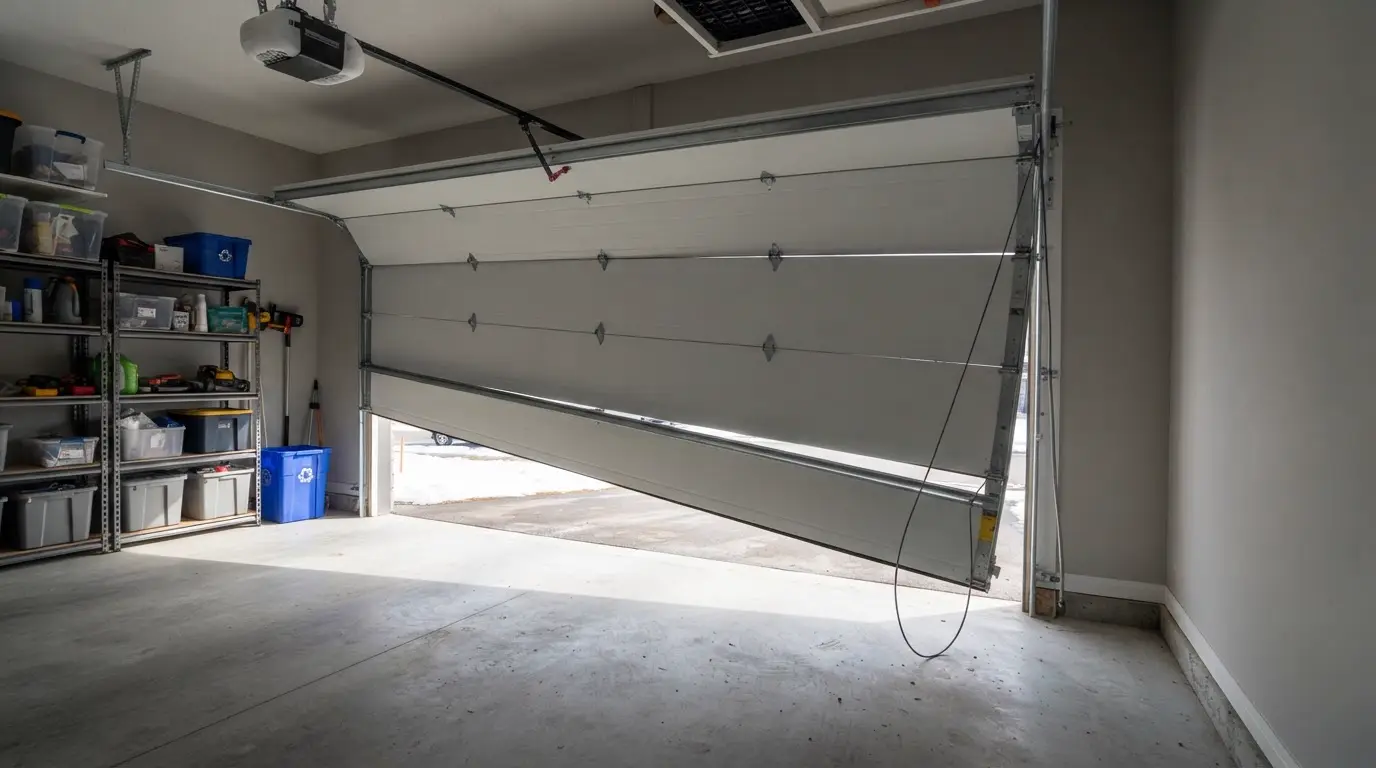
The one rule that applies to every version of a broken door: if it moves unevenly, hangs crooked, or dropped suddenly, stop running it. Every cycle of the opener against a damaged door turns a contained repair into a bigger one.
What "broken" usually means
Step 1
Dented or damaged panels.
Usually from a vehicle bump, a hockey puck, or hail. A single dented panel is often cosmetic, but a deep crease near a hinge or across a panel joint can stop the door from articulating around the track curve. Individual panels can often be replaced without changing the whole door.
Step 2
Bent or misaligned tracks.
The door binds, grinds, or stops at the same spot every time. Tracks bend from impacts or from a cable failure that let the door drop on one side. Running the opener against a bent track can pull rollers out and twist the panels.
Step 3
A broken spring.
The door feels dead heavy, won't stay open, or won't open at all — often after a loud bang. The spring carries the door's weight; without it, the opener is lifting hundreds of pounds it was never designed to move.
Step 4
A snapped cable.
The door hangs crooked, jams partway, or drops on one side. You may spot a loose cable on the floor or dangling by the track. A door in this state is genuinely dangerous — leave it where it is.
Step 5
Worn rollers and hinges.
The door still works but rattles, squeaks, or moves in jerks. This is the slow-motion version of broken: ignored long enough, a worn roller pops out of the track and the door comes off.
Step 6
A door stuck halfway.
Usually a combination — a failing spring plus binding tracks, or an opener that's detected resistance and stopped for safety. Don't force it in either direction.
What you can safely check yourself
- Look, don't touch: a visible gap in the spring coil, a cable on the floor, or a roller out of the track tells you the story without you putting hands on anything under tension.
- Watch the door move (if it moves at all): jerky travel or a crooked rise points to tracks, rollers, or cables rather than the opener.
- Listen: grinding says worn rollers or a strained opener gear; a bang followed by dead weight says spring.
- Check the obvious: nothing lodged in the track, no ice buildup frozen to the bottom seal in winter.
Repair or replace?
Most broken doors are worth repairing. Panels, tracks, springs, cables, rollers, and hinges are all replaceable parts, and a well-maintained steel door lasts decades. Replacement starts making sense when several panels are damaged at once, the door is decades old and parts are discontinued, or you were already thinking about an insulated upgrade — a technician can lay out both paths honestly once they see the door.
At Fenix Garage Doors, every broken-door call starts the same way: a technician inspects the door on site, identifies the actual cause, and gives you an exact written quote before any work begins. Our trucks carry springs, cables, rollers and opener parts, so most repairs are finished in one visit — same day across Calgary and surrounding communities, with 24/7 emergency service when it can't wait.
Door hanging crooked or stuck?
Broken Garage Door Repair Across the Calgary Area
Leave the door where it is and call us. A technician secures it, finds what actually failed and confirms the repair in writing before any work begins.
Emergency garage door repair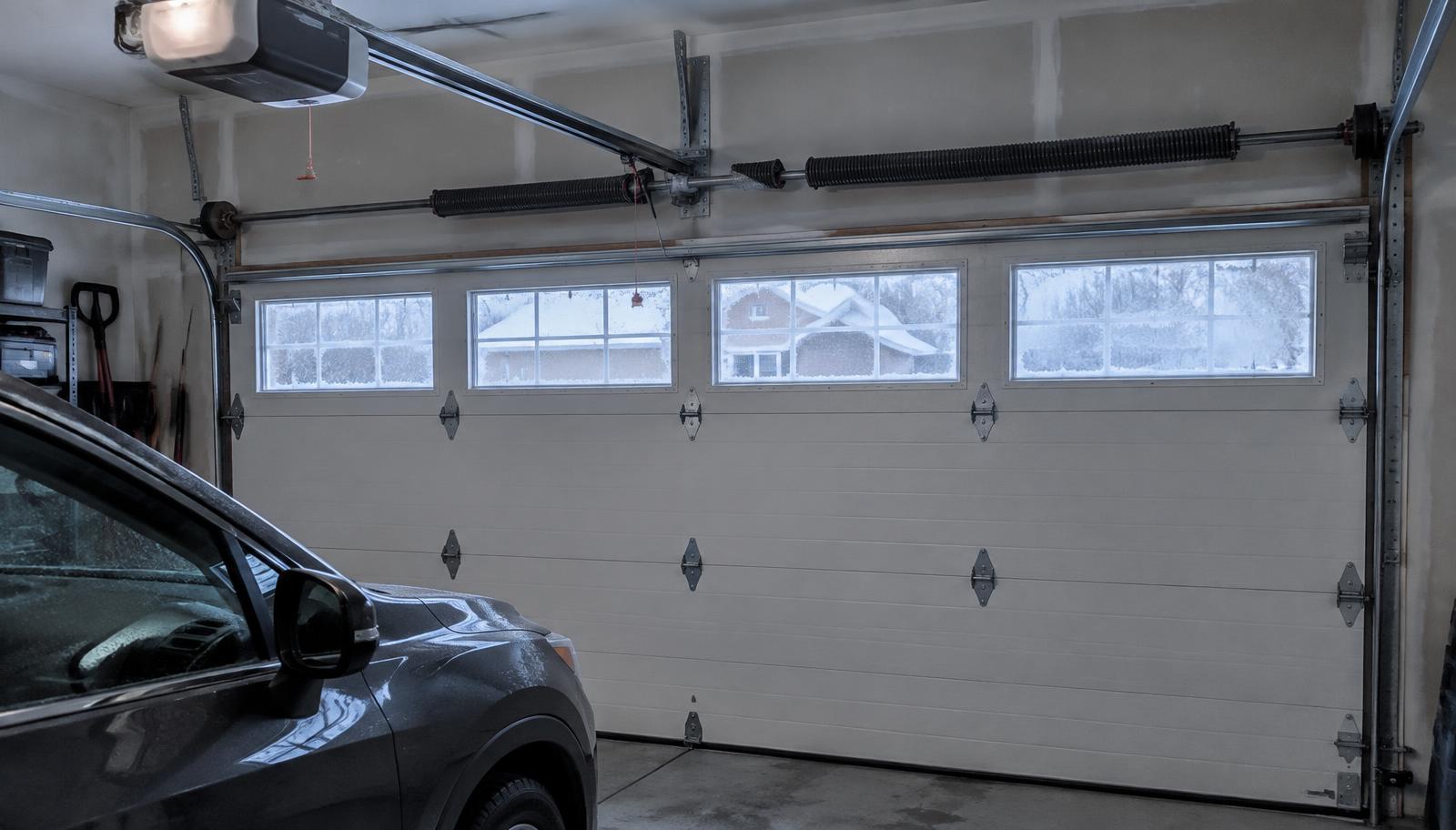
What customers say
Customer Reviews
Door stuck? Spring snapped?